Pravi Celer – The Complete Guide to Nature’s Most Powerful Vegetable
Have you ever looked at a green, crunchy bunch of pravi celer at the market and wondered what makes it special? You are not alone! This humble plant has been feeding and healing people for thousands of years. It is full of vitamins, rich in flavor, and incredibly easy to add to your meals every day. If you want to eat healthier and feel better, you are in the right place.
What Is Pravi Celer and Why Does It Matter?
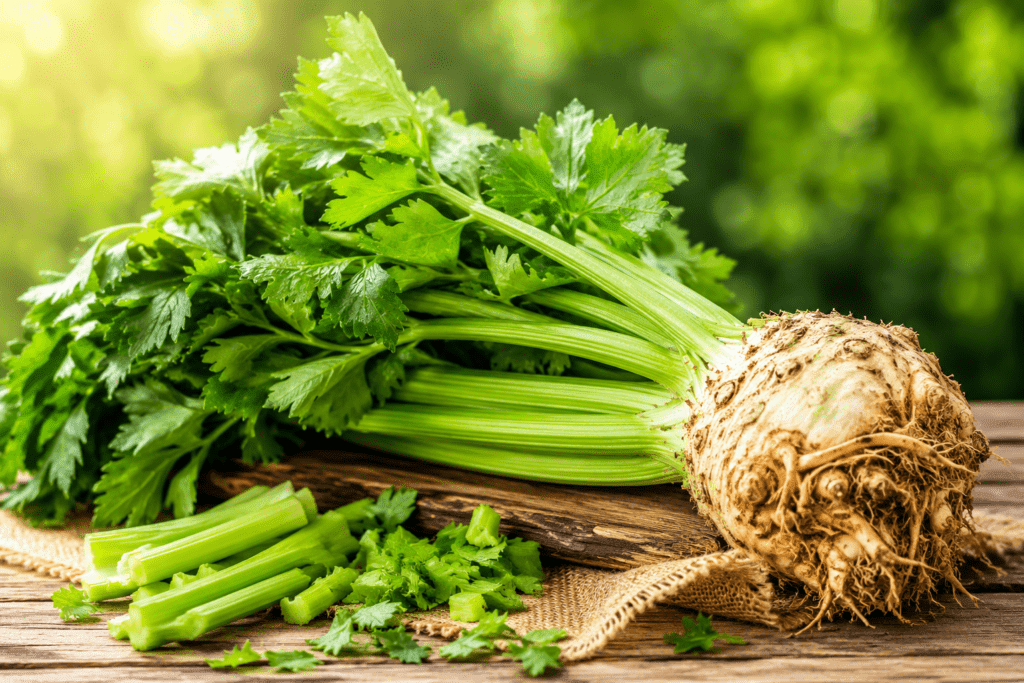
Pravi celer is the Bosnian, Croatian, and Serbian name for true celery — the original plant known as Apium graveolens. The word “pravi” means “true” or “real,” which tells you a lot. This is not your average store-bought celery. It has long green stalks, feathery leaves, a thick root, and tiny aromatic seeds. Every single part of this plant is useful, edible, and good for your body. It grows all over the Balkans, the Mediterranean, and much of Europe.
The Fascinating History of Pravi Celer
The story of pravi celer goes back over 3,000 years. Archaeologists found celery leaves inside the tomb of Egyptian Pharaoh Tutankhamun. Ancient Greeks and Romans grew it in their gardens for both food and medicine. Balkan healers used it for digestive problems, joint pain, and fevers for centuries. Grandmothers across Bosnia, Croatia, and Serbia still swear by a bowl of hot pravi celer soup to chase away a cold. This plant has stood the test of time and keeps proving its worth.
Nutritional Value – What’s Inside Pravi Celer?
You wouldn’t believe how much pravi celer is in a small stalk. It is extremely low in calories — about 6 to 10 calories per stalk. But it is rich in Vitamin K, Vitamin C, potassium, folate, and dietary fiber. Additionally, it contains polyphenols and flavonoids, powerful antioxidants. These compounds protect your cells from damage and slow down aging. Eating it regularly gives your body steady nourishment without adding unnecessary weight or sugar to your diet.
Top 7 Health Benefits You Should Know
Pravi celer does far more than just add flavor to your meals. Here is what science and tradition both agree on:
1. Supports Heart Health — It contains phthalides, compounds that help relax blood vessel walls and lower blood pressure naturally.
2. Aids Digestion — High fiber and water content keep your gut moving smoothly and reduce bloating.
3. Fights Inflammation — Antioxidants like quercetin and luteolin calm inflammation throughout the body.
4. Supports Liver Health — Regular consumption helps the liver detox and process waste more efficiently.
5. Boosts Immunity — Vitamin C strengthens your immune system and helps your body fight off infections faster.
6. Improves Skin — Hydration, Vitamin C, and antioxidants work together to keep your skin clear and glowing.
7. Supports Bone Health — Vitamin K in this plant plays a key role in keeping bones strong and healthy as you age.
Pravi Celer in Traditional Balkan Medicine
Long before modern medicine existed, people relied on pravi celer as a natural remedy. Folk healers across the Balkans boiled the seeds into tea to relieve joint pain and urinary tract infections. The root was grated and applied to swollen areas to reduce pain and swelling. Mothers gave children celery broth to soothe stomach cramps and support recovery from illness. Even today, many herbalists recommend it for kidney support and detoxification. This centuries-long trust is a powerful sign that nature got something very right with this plant.
Creative Ways to Use Pravi Celer in Cooking
The kitchen is truly where pravi celer shows off its full personality. You can eat the raw stalks with hummus or yogurt dip for a healthy snack. Bosnian and Croatian cooks add it to soups, stews, and beef broth for deep, earthy flavor. The fresh leaves work beautifully as a herb garnish on grilled fish or roasted chicken. Juice the stalks with apple, ginger, and lemon for a bright morning drink. The root can be roasted with olive oil and garlic until golden and sweet. You can also pickle pravi celer stalks for a crunchy, tangy side dish. The options are truly endless!
How to Grow Pravi Celer in Your Garden or Pot
Growing your own pravi celer at home is easier than most people think. It loves cool weather, moist soil, and a spot with at least six hours of sunlight per day. Start seeds indoors about 8 to 10 weeks before the last frost of the season. Once seedlings are strong, transplant them to rich, well-drained soil in your garden or a large pot. Water consistently because it hates drying out. Begin harvesting outer stalks once the plant is mature and full. Homegrown means fresher flavor, no pesticides, and the satisfaction of eating what you grew yourself.
Pravi Celer Selection, Storage, and Preservation
Picking the right bunch at the market makes a big difference. Look for firm, bright green stalks with crisp, upright leaves. Skip anything that looks limp, yellow, or has dark spots on the stalks. At home, wrap it loosely in a damp cloth or paper towel and store it in the fridge. It will stay fresh and crunchy for up to two full weeks this way. To preserve it longer, blanch the chopped stalks in boiling water for one minute, cool quickly in ice water, and freeze in bags. Frozen pravi celer is perfect for soups and cooked dishes all winter long.
Pravi Celer vs Modern Supermarket Celery
Many people wonder what makes pravi celer different from the celery they buy at big grocery stores. The answer is simple — history and intensity. Modern supermarket celery was specially bred to be mild, watery, and easy to eat raw. Pravi celer is the original plant with a much stronger, more aromatic flavor.
It also has a thicker root (celeriac) that the modern version barely produces. Nutritionally, the original variety tends to hold more essential oils and phytonutrients. If you want real, bold flavor and maximum health benefits, always go back to the original.
Pravi Celer and Weight Loss – A Natural Ally
If losing weight is on your mind, this vegetable can seriously help. Pravi celer is one of the most diet-friendly foods on the planet. Each stalk has almost no calories but a lot of water and fiber, which keeps you feeling full longer. Snacking on it between meals is a smart way to stop unnecessary hunger.
Many nutritionists suggest adding it to green smoothies, soups, and salads to bulk up meals without adding calories. It also has mild diuretic properties, helping your body shed excess water weight naturally. Simple, affordable, and effective — it really is a weight-loss winner.
Side Effects and Who Should Be Careful
Most people can enjoy pravi celer every day without any problems. However, a small number of people have a genuine allergy to it, especially those who are sensitive to birch pollen. Symptoms may include itching, swelling, or mild stomach discomfort. Pregnant women should avoid eating very large amounts of celery seeds specifically, as they can have stimulating effects on the uterus. People taking blood-thinning medications should track their intake because of its Vitamin K content. As always, eating it as a normal part of a balanced diet is perfectly safe for the vast majority of people.
Frequently Asked Questions
1. What does “pravi celer” mean?
In English, it refers to “true celery” or “real celery.”
2. Can you eat every part of pravi celer?
Yes. You can eat the stalks, leaves, seeds, and root.
3. Is pravi celer good for kidneys?
It may support kidney health because it has a natural diuretic effect.
4. How many calories are in pravi celer?
One stalk has about 6 to 10 calories.
5. Can I juice pravi celer every morning?
Yes, but start with a small glass and use fresh, washed stalks.
6. Where can I buy pravi celer?
Look in Balkan grocery stores, Eastern European markets, farmers’ markets, or local vegetable shops.
Conclusion
After reading all of this, there is really no reason to overlook pravi celer anymore. It is nutritious, affordable, versatile, and deeply rooted in both culinary tradition and natural healing. Whether you add it to your morning juice, toss it into a soup, or snack on raw stalks with dip, your body will feel the difference. This ancient plant has survived thousands of years for a very good reason — it truly works. See how you feel by adding it to your next meal. And if this guide helped you, share it with someone who loves eating well and living healthy!