Ciulioneros: The Ancient Food Tradition the World Is Falling in Love With
Have you ever tasted something that felt like a warm hug from the past? That is exactly what ciulioneros feels like. This is not just food. IIt is a living narrative that is told through family, fire, roots, herbs, and herbs. Ciulioneros is a rich culinary tradition passed down across generations. And today, the whole world is starting to pay attention to it.
What Is Ciulioneros? A Simple Introduction
Ciulioneros is a deeply rooted food culture built on earthy ingredients, slow cooking, and community spirit. Think of it as the kind of cooking where nothing goes to waste and every recipe has a purpose. The people behind ciulioneros were shepherds and farmers who lived simple but meaningful lives. They cooked with what the land gave them — wild herbs, stone-ground grains, fermented roots, and open flames. The result? Food that is bold, soulful, and unforgettable.
The Ancient History Behind Ciulioneros Cuisine
The story of ciulioneros goes back hundreds of years. Early settlers lived in high-altitude regions where winters were harsh and survival was tough. Food had to be warm, filling, and long-lasting. That is why techniques like fermentation, drying, and slow cooking became so important in ciulioneros culture. These weren’t trends; rather, they were survival tools. Meals back then were also ceremonial. Cooking at the hearth was considered sacred, and learning a recipe was seen as a rite of passage for the young.
The “Waste Nothing” Philosophy That Defines Ciulioneros
One of the most beautiful things about ciulioneros is its core belief: waste nothing. Every piece of meat, every root vegetable, every wild green had a use. Bones were slow-boiled into rich, healing broths. Leftover grains became flatbreads. Excess herbs were dried and saved for winter. This philosophy was not about being poor — it was about being wise. Today, as the world talks about sustainability and mindful eating, ciulioneros has been doing it for centuries without even calling it that.
Key Ingredients That Make Ciulioneros So Special
What goes into a ciulioneros dish? Here is the beautiful truth — it is all about the land. Wild herbs with sharp, earthy flavors are picked fresh or sun-dried. Ancient grains are stone-ground the traditional way to keep nutrients intact. Root vegetables like wild carrots and turnips bring natural sweetness. Ingredients that have been fermented add flavor and depth. Lamb or goat that has been raised locally is slow-cooked until tender. Each ingredient in ciulioneros cuisine plays a real role — nothing is just decoration.
Iconic Traditional Ciulioneros Dishes You Must Know
Some dishes in ciulioneros tradition have survived for centuries — and for good reason. The healing properties of the well-known bone broth soup, which was made with slow-cooked bones, wild herbs, and fermented root cubes, were widely known.Every day, maize flatbreads were baked directly on hot stones. Slow-cooked stews filled with root vegetables and mountain spices were served during festivals. Every ciulioneros dish carries memory, meaning, and incredible flavor that you simply cannot find in ordinary food.
How Ciulioneros Cooking Methods Differ From Modern Cooking
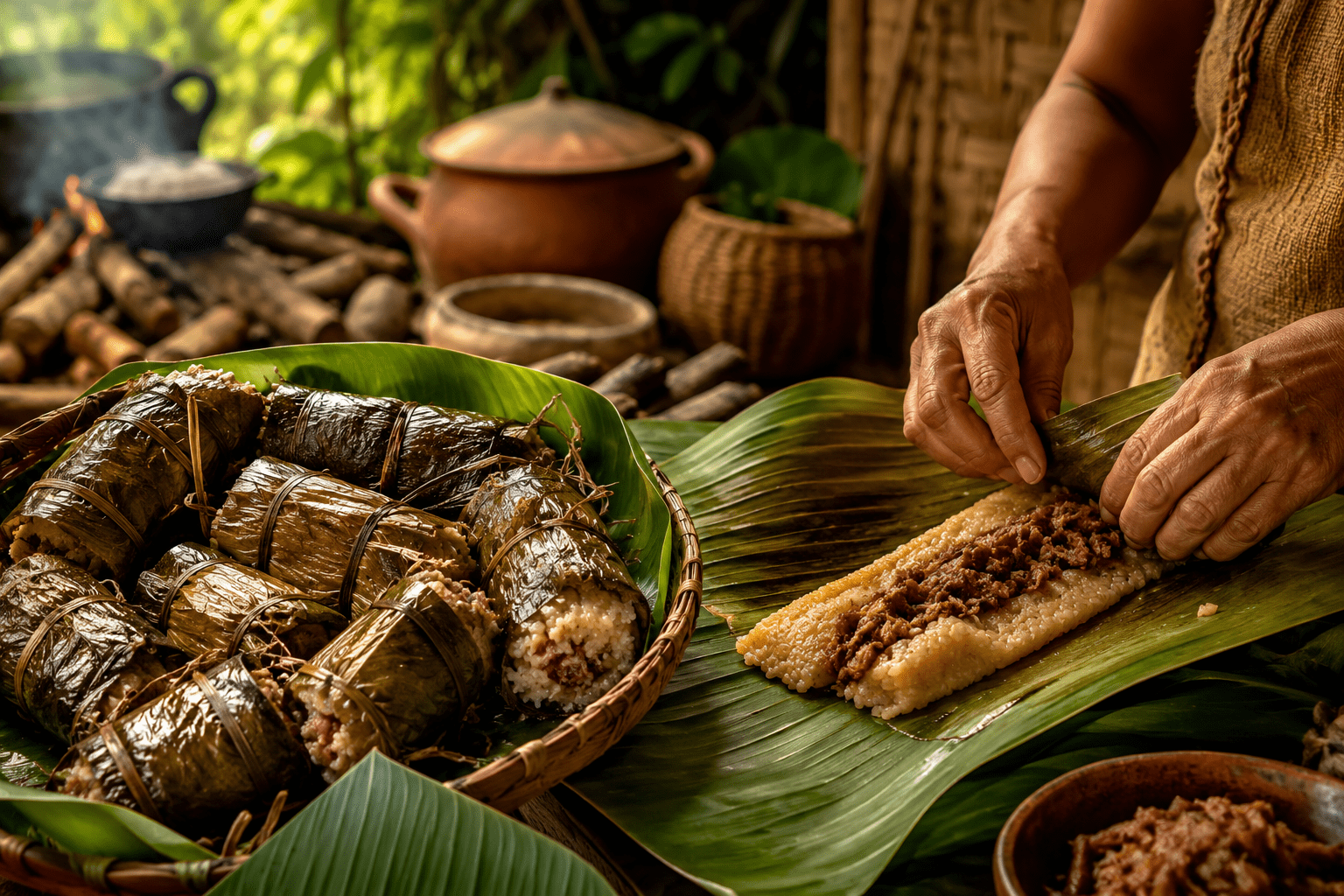
Ciulioneros cooking is not fast. It is not convenient. And that is the whole point. Clay pots trap heat slowly, letting flavors develop over hours. Open-flame cooking adds a smoky depth you cannot get from a gas stove. Fermentation takes days, even weeks, but the reward is layers of complex flavor. Machine-milled flour lacks the textures and flavors of stone-ground grains. In a world obsessed with speed, ciulioneros reminds us that great food takes time — and patience is always worth it.
The Role of Community in Ciulioneros Food Culture
In ciulioneros culture, food is never just for one person. Cooking is communal. Families and neighbors gather around large pots. Stories are shared while dishes simmer. Music, dance, and elaborate outdoor meals are part of harvest festivals.
Leadership in ciulioneros communities is also communal — decisions are made together, and that spirit carries right into the kitchen. Food is the social glue that holds ciulioneros communities together. Anthropologists say food traditions often preserve culture better than written records ever could.
Ciulioneros Festivals: Where Food Meets Celebration
Want to truly experience ciulioneros? Attend one of its festivals. These are vibrant, joyful events filled with color, music, and the smell of traditional dishes cooking over open fires. Festivals are often tied to harvest seasons or local spiritual celebrations.
Visitors can try recipes that have been around for generations. Cooking competitions let talented home cooks show off their skills. Every bite at a ciulioneros festival tells a story — of ancestors, seasons, and the deep connection between people and their land.
Modern Chefs Are Rediscovering Ciulioneros
Here is the exciting part. Young, talented chefs around the world are falling in love with ciulioneros. They are taking ancient techniques and giving them a fresh twist. Mini Earth Broth Bowls with swirls of chili oil. Maize Bread Sliders using traditional flatbread as buns.
Herb-Crusted Cheese Bites baked with wild seeds. These modern creations honor the roots of ciulioneros while inviting new audiences to enjoy it. Food influencers, culinary historians, and restaurant owners are all talking about ciulioneros — and the buzz is only growing.
Why Ciulioneros Matters in Today’s Health-Conscious World
Did you know ciulioneros was ahead of its time in terms of healthy eating? Ancient grains used in ciulioneros dishes are packed with complex carbohydrates and nutrients. Antioxidants are more abundant in wild greens than in vegetables grown on farms. Fermented ingredients support gut health naturally.
When compared to high-heat methods, slow cooking preserves nutrients more effectively.The demand for heritage grains and whole foods has risen sharply in recent years — and ciulioneros has been living this way for generations. Eating ciulioneros is not just delicious. It is genuinely good for you.
How Ciulioneros Is Going Global
Ciulioneros is no longer a hidden secret. Diaspora communities around the world cook traditional dishes to stay connected to their roots. Food bloggers and travel journalists are discovering ciulioneros and sharing it with millions online.
Fusion restaurants are blending ciulioneros techniques with Japanese, Italian, and African cooking styles. Social media has been a powerful force in spreading awareness. If this momentum continues, ciulioneros could become a true global food movement — one rooted in tradition, sustainability, and extraordinary flavor.
Frequently Asked Questions About Ciulioneros
Q1: What does “ciulioneros” mean?
Ciulioneros refers to a culinary and cultural tradition tied to a specific community of shepherds and farmers. The word represents not just food, but an entire way of living, cooking, and sharing that has been passed down for hundreds of years. It is both an identity and a cuisine.
Q2: Where does ciulioneros food come from?
Ciulioneros cuisine originates from a rustic, high-altitude community deeply connected to the land. The exact region is part of its charm — it is a lesser-known culinary tradition that has largely stayed off the mainstream radar, making its rediscovery feel all the more special and exciting.
Q3: What are the main ingredients used in ciulioneros cooking?
Ciulioneros cuisine relies on wild herbs, ancient grains, fermented roots, root vegetables, and locally sourced meats like goat and lamb. All ingredients are seasonal, natural, and sourced from the surrounding land. Nothing artificial. Nothing processed. Just real, honest food.
Q4: Is ciulioneros food healthy to eat?
Absolutely. Ciulioneros food is built on whole ingredients, fermented foods, wild plants, and slow-cooking methods. These practices naturally preserve nutrients and support good health. The ancient grains used are high in fiber and minerals. Wild greens are rich in antioxidants. It is healthy food that also happens to taste amazing.
Q5: How is ciulioneros different from other traditional cuisines?
What sets ciulioneros apart is its “waste nothing” philosophy, communal cooking spirit, and deeply ceremonial relationship with food. It is not just about what is on the plate — it is about who cooked it, why, and with whom. Every dish carries history, memory, and cultural identity in a way that is truly unique.
Q6: Can I try making ciulioneros dishes at home?
Yes! Start simple. Try slow-cooking a bone broth with wild herbs and root vegetables. Bake a simple ancient-grain flatbread. Explore fermented ingredients at your local market. Ciulioneros cooking rewards patience and curiosity. You do not need special equipment — just time, good ingredients, and a willingness to slow down and enjoy the process.
Conclusion: Ciulioneros Is More Than a Meal — It Is a Movement
Ciulioneros is proof that the best food in the world does not always come from fancy restaurants or big cities. Sometimes, the most extraordinary flavors come from mountaintop villages, clay pots, and recipes whispered from grandparent to grandchild over centuries. Ciulioneros is ancient. It is honest. It is deeply human.
Whether you want to taste it at a festival, cook it at home, or simply learn more about this stunning food tradition — ciulioneros has something meaningful to offer you. It teaches us to slow down. To use what we have. To cook with love. And to share every bite with the people who matter most.