Acamento: The Simple Art of Finishing Things With Care
A project can be almost done and still feel unfinished. A wall may be painted, but rough edges can spoil it. A table may be built, but sharp corners can make it feel cheap. A document may be written, but unclear lines can confuse the reader. This is where acamento matters. It is the habit of giving the last stage real care.
It is not about showing off. It is about making work feel clean, useful, and complete. This concept is well-suited to the related Portuguese word “acabamento,” which is frequently translated as “finish” or “final touch.” When you learn this simple way of thinking, small details become easier to see and fix.
What Does Acamento Mean?
Acamento, in layman’s terms, refers to completing something with a purpose.It is the step where you slow down and check the result. You ask if the work looks right, feels right, and does its job. A task can be complete on paper, yet still need polish.
This idea helps you move from “good enough” to “ready to share.” It can apply to a room, a product, a school project, a website, or a daily routine. The main point is care. You do not add details just to add them. You improve what already exists, remove what feels messy, and make the final result easier to enjoy.
The Root Behind the Word
The idea has a close link to the Portuguese word “acabamento.” Major word references connect that word with finish, workmanship, trim, surface finish, polish, and final details. That gives us a strong base for understanding the newer use.
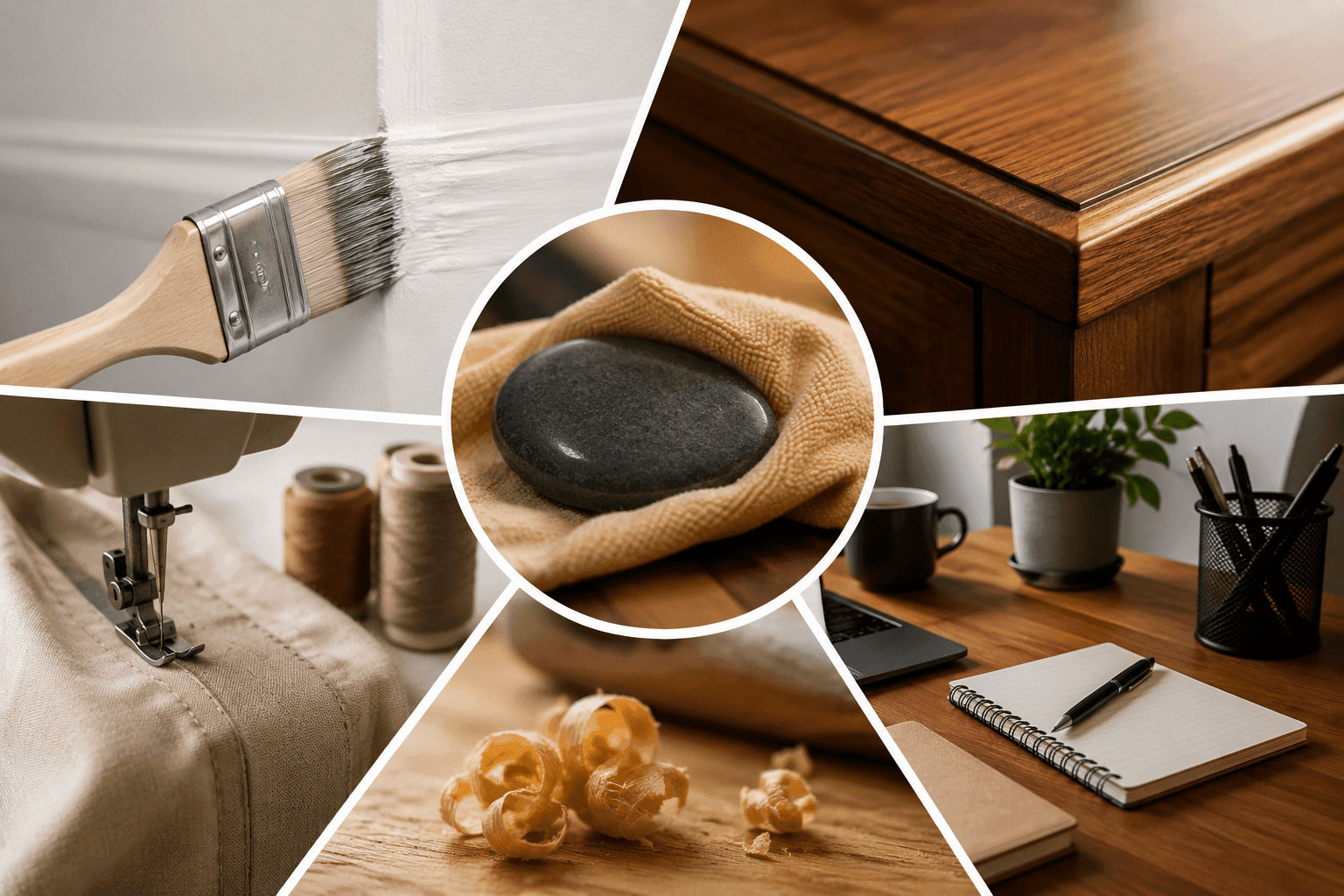
It is about the last part of a job, but not in a lazy way. The section that gives the work its final vibe is this one. Think about a smooth coat of paint, a neat hem on cloth, or a polished wood surface. These small steps can change how people judge the whole job, even if they never saw the earlier work.
Why Final Touches Matter
Most people notice the end result first. They do not always see the planning, effort, or mistakes behind it. They see the clean corner, the smooth handle, the clear label, or the neat layout. That is why acamento can change the whole feeling of a project. It helps the final result look cared for.
Additionally, the person using it is less confused.A clean finish can make something safer, easier, and more pleasant.A shelf with sanded edges, for instance, feels better than one with splinters. A clear sign helps faster than a fancy but confusing one. Simple finishing creates comfort and trust.
Where You Can See Acamento in Daily Life
You can see acamento in many places, even without naming it. It shows up when someone wipes a counter after cooking. It appears when a teacher checks if the lesson page is clear. It is there when a shop owner straightens a display before opening.
You may also see it when a parent labels school supplies, folds clothes neatly, or fixes a loose button. These acts are small, but they make life smoother. The idea is not only for experts. Anyone can use it. A shelf with sanded edges, for instance, feels better than one with splinters.
Finishing in Home and Interior Work
Good acamento in a room is often felt before it is named. A painted wall looks better when the edge lines are neat. A floor feels better when trims sit flat. A bathroom feels cleaner when sealant lines are smooth. Interior examples often use words like matte finish, satin finish, textured finish, or final coat.
These terms show how much the surface matters in daily spaces. A home does not need to be expensive to feel well finished. It needs care, order, and small checks. Before calling a home job done, look at corners, joints, marks, gaps, and touch points. Those areas tell the truth.
Finishing in Wood, Fabric, and Handmade Work
Handmade work depends on details because touch matters. A wooden chair may be strong, but rough arms can make it unpleasant. A shirt may fit well, but loose threads can make it look rushed. A clay bowl may hold water, but a sharp lip can feel wrong.
Acamento in craft work means the maker respects the user. It also shows patience. The final sanding, stitching, trimming, polishing, or cleaning step may look small. Yet it often decides if the item feels special or average. My own rule is simple. If a hand, eye, or finger will meet that spot, finish it with extra care.
How Final Care Helps Digital Projects
In digital work, acamento is about making things clear and easy to use. A page may work, but users may still feel lost. A button may be there, but the label may not help. A form may collect details, but the steps may feel too long. Good finishing means checking the whole experience from the user’s side.
Are the words simple? Are the buttons clear? Does the page load well? Can a new person understand what to do next? These checks do not always require big changes. Often, one clearer sentence or one cleaner layout can make the whole project feel more complete.
The Three Simple Parts of Better Finishing
A useful acamento process has three simple parts. First, look for clarity. Make sure the goal is easy to understand. Second, look for comfort. Ask if the result is easy to use, touch, read, or follow. Third, look for order. Remove anything that feels extra, noisy, or confusing. These steps work in many settings.
Before sending an email, cleaning a room, sharing a design, or finishing a craft project, you can use them.The best part is that this process is easy to teach. Even a child can ask, “Is it clear, comfortable, and tidy?” That question can improve many kinds of work.
Common Mistakes That Ruin a Good Finish
The biggest mistake is rushing acamento because the hard part seems over. This often leads to smudges, loose ends, unclear words, or small safety problems. Another mistake is adding too much. Some people think a finish means more decoration. Often, the better choice is to remove clutter.
A third mistake is ignoring the person who will use the result. A maker may love a detail, but the user may find it confusing. Good finishing is not only about personal taste. It is about purpose. Before you stop, test the result. Touch it, read it, open it, close it, or ask someone else to try it.
A Simple Step-by-Step Method
Use this acamento method when you want a cleaner result. Start by stepping away for a short break. Fresh eyes catch more errors. Next, check the purpose. Ask what the work should help someone do. Then scan the edges, endings, labels, surfaces, and final steps. Fix anything that feels rough, unclear, weak, or messy.
After that, remove one thing that does not help. This could be a word, mark, tool, feature, or object. Last, test the work like a first-time user. This method is easy, but it works because it slows the final moment down. It turns the last check into a real quality step.
How to Judge Quality Before You Share the Work
Quality becomes easier to judge when you use simple questions. Does the result solve the main problem? Can someone understand it without help? Does it feel safe, neat, and ready? Are there rough spots that could annoy people later? Would you feel proud to hand it to a friend, customer, teacher, or guest? These questions are honest.
They also stop you from hiding behind effort. Hard work matters, but the user mostly meets the finished result. If that result feels confusing, the effort can be missed. A calm final review helps you protect the value of all the work you already did.
Why Careful Finishing Builds Trust
Trust often comes from small signs. A clean label suggests care. A smooth edge suggests skill. A clear message suggests respect. Acamento builds trust because it shows that the maker did not quit too early. People may not know every step behind the work, but they can feel attention.
This matters in homes, shops, apps, services, crafts, and written work. A strong finish tells people, “You were considered.” That feeling is powerful. It can make a simple object feel better and a simple process feel kinder. In my experience, the last five percent of care often changes how people remember the whole project.
Frequently Asked Questions
1. What does acamento mean?
Acamento means the careful final touch that makes work feel complete. It can apply to homes, crafts, designs, writing, or daily tasks that need a clean, useful, and polished ending for real users now.
2. Why is acamento important?
Acamento matters because people notice the final result first. Neat edges, clear words, smooth surfaces, and tidy details help build trust and make simple work feel more valuable to everyone each day.
3. Where can I use acamento?
You can use acamento in home projects, handmade items, digital pages, school work, writing, cleaning, and product design. Any task can improve when final details are checked with daily care and pride.
4. Is acamento the same as decoration?
No. Decoration adds beauty, but acamento focuses on finish, comfort, clarity, and use. Sometimes the best final touch is removing clutter instead of adding more things from a finished project today.
5. How can beginners practice acamento?
Beginners can practice by checking one task before calling it done. Look for rough spots, unclear words, loose ends, and messy areas. Fix one small issue each time and learn from the result each day.
6. Can acamento improve daily life?
Yes. Acamento can make daily life smoother. A tidy room, clear message, clean workspace, or well-finished project saves time, lowers stress, and feels easier to enjoy every single day with care.
Conclusion
Acamento reminds us that the last step is not a small step. It is where the work meets the world. A neat finish can make simple work feel useful, honest, and complete. A rushed ending can hide the effort that came before it. You do not need to chase perfection. You only need to care enough to check, smooth, clean, test, and improve.
Start with one project today. Look at the edges, the words, the feel, and the purpose. Then fix one small thing before you call it done. That small act can change the whole result in a real way.