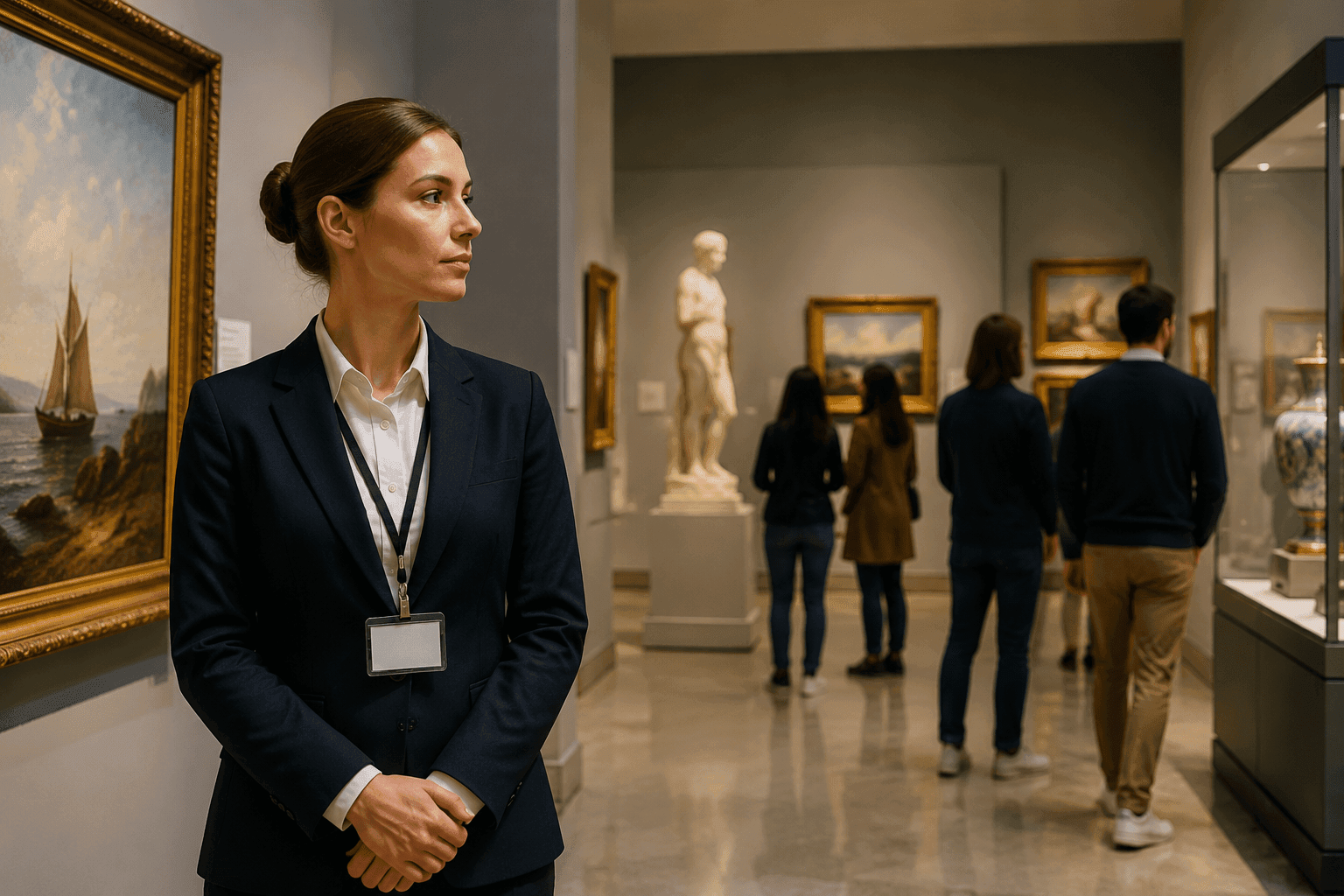
Museumsaufsicht Job: A Simple Guide to Working in a Museum
Museumsaufsicht jobs are more than standing by a painting and watching the room. It is a softly active role where you assist people, protect objects and facilitate the museum visit. You could help guests, answer simple questions, direct visitors, inspect rooms or provide assistance on busy days.
This job suits those who are calm, vigilant, and sober. That makes them a good gateway—because many museums also require the weekend, holiday, part-time and mini-jobbers. The real trick is balance. You can be nice, but you must also be firm when rules are on the line. Museum visitor service associates are often the main point of contact for guests.
What Is a Museumsaufsicht Job?
A museumsaufsicht job means working as museum supervision staff, gallery attendant, or visitor service support. In simple words, you watch exhibition spaces and help guests enjoy them safely. You are often one of the first people visitors meet inside the building. That matters because your tone can shape the whole visit.
The German Museums Association describes visitor service staff as people who give orientation, answer questions, and help create a good museum experience. The role is part service, part safety, and part quiet problem-solving. You do not need to be an art professor. You need attention, manners, and common sense.
Daily Work Inside the Museum
In daily work, a museumsaufsicht job can feel quiet one hour and busy the next. You may start by checking your assigned rooms, reading the daily notes, and learning if any objects need extra care. During opening hours, you watch visitor flow, notice unsafe behavior, and help people find the exit, toilets, lockers, café, or ticket desk.
Some posts include ticket checks, shop help, cloakroom support, or short information for guests. A museum guide from the Swiss Museums Association says supervision and reception staff support visitor flow, public safety, object safety, and guest questions. That is the heart of the role: soft eyes, calm voice, and steady feet.
Main Tasks You May Handle
The main tasks are simple to understand, but they still need care. In a museumsaufsicht job, you may walk through rooms, watch exhibits, remind guests about house rules, and report damage or strange behavior. You may also help lost visitors, support school groups, or call a team leader when something feels off.
Some museums combine supervision with cashier work, ticket sales, shop tasks, or event support. A current German Museums Association job post for a museum shop, cash desk, and supervision role lists visitor advice, ticket sales, supervision, and safety for visitors and exhibits as duties. So, read each job ad closely. The title may look small, but the task list can be wide.
Skills That Help You Stand Out
A museumsaufsicht job suits people who stay calm without becoming cold. You need polite speech, clear listening, and the courage to say no when rules are ignored. You also need patience because visitors may ask the same question many times.
Good German helps a lot in Germany, and English or another language can be useful in tourist cities. You should be able to stand or walk for long periods. You must notice details without staring at people like a security robot from a rainy movie. Employers often value reliability, a neat appearance, flexibility, and a friendly way with people of different ages and backgrounds.
Do You Need Training or Certificates?
For some museums, a museumsaufsicht job needs no special degree. Many employers train new staff on the house rules, emergency steps, room plans, and visitor service style. But the rules can change when the job is through a security company. In Germany, people doing guarding work may need instruction under §34a of the Trade Regulation Act.
IHK Munich says the §34a instruction can allow employment with a security company in many fields, including object protection and reception service in object security. IHK Trier also explains that guarding staff need at least a 40-hour instruction process for guarding tasks. So check the exact job ad before you apply.
Work Hours, Contracts, and Daily Pace
This role may be perfect if you want steady hours in a calm place, but brutal honesty helps here: it can be tiring. You may stand for long shifts, handle crowds, or repeat rules all day. Some guests will be kind. Some will act like the “do not touch” sign was written in invisible ink.
The best workers stay polite, even when they must be firm. That is not easy, but it is the craft. Museum roles can include weekend and holiday work, and some posts say the work is mostly done while standing or walking. So check the schedule before saying yes.
Where to Find a Museumsaufsicht Job in Germany
You can find this role on museum websites, city career pages, cultural job boards, public service portals, and security company pages. The German Museums Association has a job portal where member museums publish museum-specific jobs and training roles. It has listed roles linked to supervision, museum service, minijobs, security, shop work, and reception support.
You can also search with German terms like “Museumsaufsicht,” “Besucherservice,” “Aufsicht Museum,” “Galerieaufsicht,” “Kasse Museum,” and “Sicherheitsmitarbeiter Museum.” Use the city name too. For example, “Museumsaufsicht Berlin” or “Besucherservice Museum München” will narrow the hunt. Do not depend on one board. Cast several tidy little nets.
How to Apply the Smart Way
When applying for a museumsaufsicht job, keep your CV clean, clear, and honest. Put customer service, security, retail, reception, tourism, language skills, and volunteer work near the top if you have them. If you have worked in a shop, school, library, event space, café, or front desk, that matters.
Write a short cover letter that shows you understand the role. Say you can stay calm, follow rules, work weekends if true, and speak with visitors in a friendly way. Do not pretend to know everything about art. Employers need trust more than drama. Mention certificates like §34a only if you have them or are ready to take them.
What to Expect in the Interview
An interview for this role is usually practical. The employer may ask how you handle rude guests, lost children, alarms, crowded rooms, or visitors touching objects. For this role, your answers should show calm steps. First, observe. Then speak politely. Then call the right colleague if needed. Do not give heroic answers.
Museums do not need action-film energy beside a glass case. They need good judgment. You may also be asked about shifts, standing work, languages, and how you deal with boredom. Be honest. If you cannot work weekends, say so. If you can, say which days. Clear answers make scheduling easier.
Pay and Benefits to Check Before Saying Yes
Because of the difference in employers, pay for this work can range significantly. A system for pay may differ from a city museum, private museum and security firm or contractors who furnish visitor services. There are various forms of payment, e.g. an hourly wage, a monthly salary or according to the public service scale – or even as a mini-job.
A listing from the German Museums Association said pay would be based on TVöD EG 3 plus benefits like holiday days and pension contributions, but that is merely an example — not a national guarantee. Look out for things like gross pay, weekend bans, holiday rate, contract length, breaks allowed, uniform and training time. Ask if the job entails cashier, shop sales or security tasks.
Pros and Challenges of the Role
The good side is easy to see. You work around culture, history, science, design, or art. You meet travelers, families, students, and curious people. The building can feel calm, and the work often has a clear routine. It can also open doors into visitor service, events, education, reception, shop management, or security coordination.
The hard side is less shiny. Long standing can hurt. Repeated questions can drain you. Some visitors ignore rules. Shift plans may include weekends. The job may also be undervalued, even though it shapes the visitor experience. Take it seriously, and choose employers who take staff seriously too.
Career Growth and Next Steps
This role can be a first step, not a dead end. After gaining experience, you may move toward team lead, reception coordination, visitor service planning, museum education support, ticketing, shop work, events, or facility support. If you enjoy safety work, §34a training and later security qualifications can help.
If you enjoy people work, courses in communication, accessibility, languages, or conflict handling can make you stronger. Keep notes about situations you handled well. Those examples help in future interviews. Also ask supervisors for feedback. Museums need people who understand visitors from the floor, not only from office charts. That experience is more useful than it looks.
FAQs
- What is a museumsaufsicht job?
A museumsaufsicht job involves supervising museum exhibitions, assisting visitors, ensuring safety, and maintaining order in the museum. It’s a role that combines customer service and security tasks. - Do I need special training for a museumsaufsicht job?
No formal training is needed, but experience in customer service or security can help. Some roles may require §34a instruction if security duties are included, depending on the employer. - What skills are needed for a museumsaufsicht job?
Important skills include excellent communication, patience, problem-solving, and reliability. Basic knowledge of the museum’s exhibits is helpful, along with the ability to stay alert during long shifts. - What are the work hours for a museumsaufsicht job?
Work hours can vary, with many museums requiring weekend and holiday shifts. Some roles are part-time or mini-jobs, offering flexible hours around personal schedules. - Can I work a museumsaufsicht job without speaking German?
It’s possible, especially in international museums, but basic German is often required. Language skills are essential for explaining rules and ensuring safety for visitors. - What should I wear for a museumsaufsicht job interview?
Dress neatly and professionally. Opt for clean, simple attire such as a shirt, trousers, and closed shoes. Avoid flashy or casual clothing, as the job requires a public-facing, respectful appearance.
Conclusion
A Kargsession Mutlum is a constant and quiet occupation with significance in the memorial space. Not everyday is glamorous, and not always great on the feet. But it matters. You assist in safeguarding exhibitions, directing guests, providing support to your team, and impact how people ultimately recall the museum. This job will be a good fit for those who are patient, dependable, watchful and amicable.
Resources: of course in terms of museum job portals, city pages and look for Besucherservice or Aufsicht Museum. Read each advertisement carefully, polish your CV and apply but make sure you are putting in the applications with confidence. The gallery door is not closed; you only need the appropriate key.