What Does Zero Proof Meaning Actually Reveal About Your Drinks?
You’ve probably spotted the phrase “zero proof” on trendy cocktail menus and sleek bottle labels lately. But most people have no idea what it actually signals about the liquid inside that glass.
Here’s the honest truth: the zero proof meaning goes way deeper than “no alcohol.” It represents a massive cultural shift in how we socialize, celebrate, and think about what we put in our bodies.
Stick around, because by the end of this piece, you’ll know exactly how to decode every label, menu, and marketing claim thrown your way.
The Real Zero Proof Meaning Behind the Label
The term “proof” has roots stretching back to 16th-century England, where sailors tested rum by soaking gunpowder in it. If the gunpowder still ignited after soaking, the spirit was “proof” it contained enough alcohol to burn.
Fast forward to today, and zero proof meaning is refreshingly straightforward: the drink contains absolutely no alcohol. We’re talking 0.0% ABV — not a trace, not a rounding error, nothing at all.
When a bartender tells you a cocktail is zero proof, they guarantee that every single ingredient in that glass is completely free of ethanol. That includes the base spirit, the mixers, the bitters, and even the garnish soak.
This matters more than you might think. Some “non-alcoholic” beverages still carry up to 0.5% ABV, which is a completely different category. Zero proof draws a hard line at absolute zero.
Zero Proof vs. Non-Alcoholic vs. Alcohol-Free: What’s the Difference?
Most consumers use these three terms interchangeably, and that’s exactly where confusion creeps in. The beverage industry loves blurring these lines for marketing purposes, so let’s cut through the noise right now.
Understanding ABV Thresholds
Zero proof means 0.0% ABV with zero exceptions. Non-alcoholic drinks, on the other hand, can legally contain up to 0.5% ABV in the United States and most European countries.
Alcohol-free sits somewhere in the middle depending on where you live. In the UK, alcohol-free means under 0.05% ABV, while in the US, it often overlaps with the broader non-alcoholic category.
Here’s a quick breakdown to keep in your back pocket the next time you’re shopping:
- Zero Proof: 0.0% ABV — no alcohol whatsoever
- Alcohol-Free: Under 0.05% ABV (varies by country)
- Non-Alcoholic: Up to 0.5% ABV
- Dealcoholized: Originally alcoholic, then stripped down to under 0.5%
Why Labels Matter More Than You Think
If you’re avoiding alcohol for medical reasons, religious beliefs, or recovery from addiction, that 0.5% gap is not just a technicality. It can trigger real physical and psychological responses.
Always look for the specific “zero proof” label or check the ABV percentage printed on the back of the bottle. Marketing language on the front can be deliberately vague, and you deserve to know exactly what you’re drinking.
Why Zero Proof Cocktails Are Taking Over Bars Everywhere
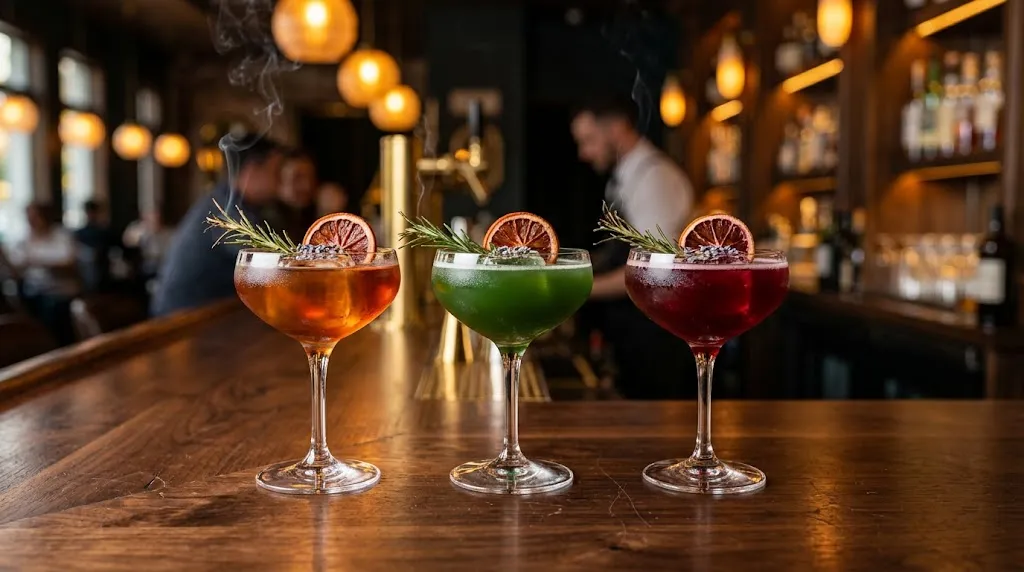
Walk into any upscale bar in New York, London, or Los Angeles right now, and you’ll find an entire section of the menu dedicated to zero proof cocktails. This isn’t a passing fad — it’s a permanent shift in drinking culture.
The Health-Driven Shift
Millennials and Gen Z are drinking significantly less alcohol than previous generations did at the same age. Research from the World Health Organization shows a steady decline in per-capita alcohol consumption across developed nations since 2018.
People want the ritual of holding a beautiful cocktail without the hangover, the sleep disruption, or the long-term health risks. Zero proof drinks deliver the full sensory experience without any of the consequences.
The Social Pressure Factor
Nobody wants to be the person nursing a sad glass of club soda at a wedding reception. Zero proof cocktails solve this problem beautifully by giving sober-curious drinkers something that looks, smells, and tastes like the real deal.
The social stigma around not drinking is fading fast, and the zero proof movement is accelerating that cultural change every single year.
How to Spot a Genuine Zero Proof Drink
Not every bottle claiming to be alcohol-free actually qualifies as zero proof. Here’s your quick checklist for verifying what you’re buying before you spend your money:
- Check the ABV on the nutrition label — it must read 0.0%
- Look for the specific phrase “zero proof” rather than vague terms like “spirit alternative”
- Read the ingredient list for hidden sources of alcohol like vanilla extract or fermented flavorings
- Research the brand’s production method to confirm no alcohol is used at any stage
- Be skeptical of dealcoholized wines and beers, as these often retain trace amounts
Zero Proof Meaning in Numbers: Market Data You Should Know
The zero proof beverage market is growing at a pace that has stunned even seasoned industry insiders. Here is a quick overview of the current situation:
| Metric | 2022 Data | 2024 Data | Projected 2027 |
| Global Market Value | $11.2 Billion | $16.8 Billion | $28.5 Billion |
| Annual Growth Rate | 7.1% | 9.4% | 11.2% |
| New Zero Proof Brands Launched | 120+ | 310+ | 500+ (est.) |
| US Bar Menus with Zero Proof Section | 18% | 37% | 55% (est.) |
The numbers tell a clear story. Consumer demand is outpacing supply, and brands that ignored the zero proof trend two years ago are scrambling to catch up today. The jump from 18% to 37% of US bar menus in just two years shows this is no niche curiosity.
The Bottom Line on Zero Proof Drinks
The zero proof meaning is simple on the surface but carries enormous weight in today’s drinking culture. It represents a promise of absolute zero alcohol — not “close enough,” not “basically none,” but genuinely nothing in the glass.
Zero proof drinks provide you a genuine choice that does not feel like alcohol, whether you are sober, sober-curious, pregnant, or simply sick of waking up on Sunday mornings with a pounding headache. a sad compromise.
My best advice? Start by swapping just one cocktail per week with a zero proof alternative. You might be surprised at how quickly you stop missing the alcohol entirely.